
(To see other currencies, click on price)
MORE ABOUT THIS BOOK
Main description:
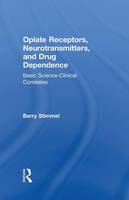
Experts address the role of neuromodulators and opiate receptors in alcohol and drug dependence. They present innovative research techniques, new discoveries, and possible clinical correlates that allow for a much greater understanding of the clinical phenomena surrounding alcohol and narcotic use. Included in this thought-provoking volume are a comprehensive review of the current knowledge of the endogenous opiates, their interactions with the opiate receptors, and the potential relationship that these substances might have in promoting the development of dependence, tolerance, and withdrawal; the translation of the basic physiologic findings occuring during withdrawal to treatment of withdrawal symptoms in the clinical setting; and a physiological explanation for the rationale of using clonidine and naltrexone to accelaerate the detoxification process without undue discomfort.
Contents:
Contents
The Importance of Science in Clinical Practice
Current Clinical Concepts of Dependence Tolerance and Withdrawal
Opiate Receptors and Endorphins: Possible Relevance to Narcotic Addiction
Endorphins, Locus Coeruleus, Clonidine, and Lofexidine: A Mechanism for Opiate Withdrawal and New Nonopiate Treatments
Alcohol and the Opiate Receptor: Interactions With the Endogenous Opiates
Neuro-Endocrine Effects of Opioids
Opioids and Psychological Disorders
Selective Guide to Current Reference Sources
PRODUCT DETAILS
Publisher: Taylor & Francis (Routledge)
Publication date: June, 2015
Pages: None
Weight: 181g
Availability: Available
Subcategories: Addictions and Therapy, General Practice