
(To see other currencies, click on price)
MORE ABOUT THIS BOOK
Main description:
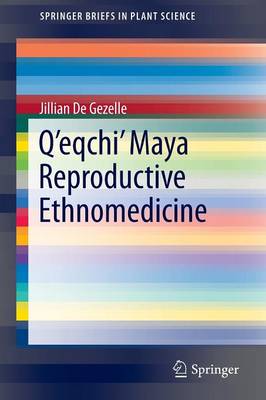
The Q'eqchi' Maya of Belize have an extensive pharmacopoeia of medicinal plants used traditionally for reproductive health and fertility, utilizing more than 60 plant species for these health treatments. Ten species were selected for investigation of their estrogenic activity using a reporter gene assay. Nine of the species were estrogenic, four of the species were also antiestrogenic, and two of the extracts were cytotoxic to the MCF-7 breast cancer cell line. Women's healing traditions are being lost in the Q'eqchi' communities of Belize at an accelerated rate, due to a combination of factors including: migration from Guatemala disrupting traditional lines of knowledge transmission; perceived disapproval by biomedical authorities; women's limited mobility due to domestic obligations; and lack of confidence stemming from the devaluation of women's knowledge. Q'eqchi' medicinal plant knowledge is highly gendered with women and men using different species in traditional health treatments. Revitalizing women's healing practices is vital for maintaining the traditional knowledge needed to provide comprehensive healthcare for Belize's indigenous communities.
Contents:
Preface
Acknowledgments
1. Introduction
Ethnobotany and Ethnomedicine
Purpose and Scope of Research
Research Questions
Hypotheses
Background
Natural and Cultural History of Study Site
Traditional Medicine in Belize
Belizean "Bush Medicine"
Traditional Healing in the Belizean Q'eqchi' Community
Belize Indigenous Training Institute
Maya Spirituality
Culture-Bound Illnesses in Belize
Hot-Cold Duality in Maya Medicine
Maya Diagnostics
Traditional Q'eqchi' Healing Modalities
Medicinal Plant Harvest and Use
Conclusions
2. Traditional Q'eqchi' Maya Reproductive Ethnomedicine
Methodology
Study Site and Timeline
Research Ethics
Interviews
Plant Collection and Identification
Results and Discussion
Disorders of the Womb
Menstruation
Fertility, Infertility and Fertility Regulation
Conception and Pregnancy
Birth and the Postpartum Period
Breastfeeding and Weaning
Menopause
Men's Reproductive Health
Infant Health
Culturally Specific Infant Conditions
Conclusions
3. Use of Phytoestrogens in Q'eqchi' Maya Ethnomedicine
Traditional Maya Medicine
Ethnomedically Directed Bioactivity Investigation
Phytoestrogens and Their Therapeutic Importance
Hormone Replacement Therapy and the Women's Health Initiative
Q'eqchi' Maya Reproductive Ethnomedicine
Methodology
Belize Indigenous Training Institute
Ethnobotanical Research
Species Selection and Plant Collection
Memorandum of Agreement for Laboratory Research
Medicinal Plant Extraction
UIC/NIH Center for Botanical Dietary Supplements Research
Bioassay Materials
Cell Culture
Transient Transfections and Reporter Gene Assays
Cell Proliferation Assay
Results and Discussion
Cytotoxicity Results
Estrogenic and Antiestrogenic Activities
Fabaceae: Mimosoideae
Gesneriaceae
Melastomataceae
Piperaceae
Rhamnaceae
Rubiaceae
Conclusion
4. Q'eqchi' Women's Lives, Health Care and Cultural Loss
Q'eqchi' Maya Women's Lives in Belize
Access and Choices in Reproductive Health Care
Women's Healing Traditions
Methodology
Research Objectives
Interviews with Q'eqchi' Women
Interviews with Midwives, Herbalists and Healers
Results
Q'eqchi' Women of a Toledo Village
Q'eqchi' Women's Health Perspectives
Q'eqchi' Choices and Perceptions of Pregnancy and Birth
Q'eqchi' Women's Traditions
Gender Differences in Healing and Plant Use
Q'eqchi' Midwives and Healers in Belize
Loss of Female Healers in the Belizean Q'eqchi Community
Q'eqchi' Migration
Conclusion
5. Conclusions
Q'eqchi' Reproductive Ethnomedicine
Estrogenic Plant Use in Q'eqchi' Reproductive Ethnomedicine
Q'eqchi' Women's Healing Traditions in Belize
Appendix I. Interview Questions
PRODUCT DETAILS
Publisher: Springer (Springer International Publishing AG)
Publication date: December, 2014
Pages: 136
Weight: 2234g
Availability: Available
Subcategories: Biochemistry