(To see other currencies, click on price)
MORE ABOUT THIS BOOK
Main description:
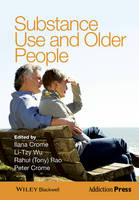
Substance use and addiction is an increasing problem amongst older people. The identification of this problem is often more difficult in older patients and is frequently missed, particularly in the primary care context and in emergency departments, but also in a range of medical and psychiatric specialties.
Substance Use and Older People shows how to recognise and treat substance problems in older patients. However, it goes well beyond assessment and diagnosis by incorporating up–to–date evidence on the management of those older people who are presenting with chronic complex disorders, which result from the problematic use of alcohol, inappropriate prescribed or over the counter medications, tobacco, or other drugs. It also examines a variety of biological and psychosocial approaches to the understanding of these issues in the older population and offers recommendations for policy.
Substance Use and Older People is a valuable resource for geriatricians, old age psychiatrists, addiction psychiatrists, primary care physicians, and gerontologists as well as policy makers, researchers, and educators. It is also relevant for residents and fellows training in geriatrics or geri–psychiatry, general practitioners and nursing home physicians.
Back cover:
Substance use and addiction is an increasing problem amongst older people. The identification of this problem is often more difficult in older patients and is frequently missed, particularly in the primary care context and in emergency departments, but also in a range of medical and psychiatric specialties.
Substance Use and Older People shows how to recognise and treat substance problems in older patients. However, it goes well beyond assessment and diagnosis by incorporating up–to–date evidence on the management of those older people who are presenting with chronic complex disorders, which result from the problematic use of alcohol, inappropriate prescribed or over the counter medications, tobacco, or other drugs. It also examines a variety of biological and psychosocial approaches to the understanding of these issues in the older population and offers recommendations for policy.
Substance Use and Older People is a valuable resource for geriatricians, old age psychiatrists, addiction psychiatrists, primary care physicians, and gerontologists as well as policy makers, researchers, and educators. It is also relevant for residents and fellows training in geriatrics or geri–psychiatry, general practitioners and nursing home physicians.
Contents:
Contributors xvii
Foreword xxi
Introduction xxiv
List of Abbreviations xxvi
Section 1 Legal and ethical aspects of care for older people with substance misuse 1
1 Negotiating capacity and consent in substance misuse 3
Kritika Samsi
Introduction 3
Substance abuse and capacity 3
Mental capacity legislation 4
Mental Capacity Act 2005 4
Capacity assessment 5
Capacity and unwise decisions 6
Consent, barriers to decision making and substituted decision making 6
Best interest decisions 8
Independent decision makers 8
Conclusion 9
References 9
2 Elder abuse 11
Jill Manthorpe
Introduction 11
Defining elder abuse 11
Main reviews 12
Alcohol and substance misuse risk factors 12
Risk factors among older people 13
The effects of elder abuse 14
Discussion 15
Conclusions and next steps 15
References 16
3 The United States perspective 18
Cynthia M.A. Geppert and Peter J. Taylor
The ageing of the baby boomers and its impact on substance abuse 18
Ethical and legal aspects of substance misuse in older adults 19
Confidentiality 19
Informed consent 20
Capacity 21
Coercion 24
Conclusion 25
References 25
4 The European perspective 27
Abdi Sanati and Mohammed Abou–Saleh
Introduction 27
Use and possession 28
Crime 28
European Convention of Human Rights 28
Delivering services for the elderly with substance misuse ethical aspects 29
Research and development 30
Policy making 31
Some differences between Europe and the USA 31
Ethical issues regarding treatment 32
Stigma 32
Underprescribing controlled drugs 32
Summary 33
References 34
5 Clinical medicine and substance misuse: research, assessments and treatment 35
Amit Arora, Andrew O Neill, Peter Crome and Finbarr C. Martin
Introduction 35
Why is clinical medicine important? 36
Identification 37
The health effects of substance abuse 39
Challenges for the future 46
Research 47
Identification tools 47
Training and support 48
Conclusions 49
References 49
Section 2 Epidemiology and demography 57
6 Cigarette smoking among adults aged 45 and older in the United States, 2002 2011 59
Shanta R. Dube and Li–Tzy Wu
Introduction 59
Evaluation methodology 61
Results 62
Sociodemographic characteristics of older adults: 2002 versus 2011 62
National trend in current smoking prevalence: 2002 2011 65
Current smoking prevalence by socioeconomic status: 2002 versus 2011 66
Adjusted odds ratios of correlates of current smoking: 2002 versus 2011 66
Discussion 71
Conclusion 72
References 73
7 Epidemiology and demography of alcohol and the older person 75
Stephan Arndt and Susan K. Schultz
Introduction 75
Main reviews 76
Epidemiological estimates of prevalence of alcohol use 76
Estimates of alcohol problems based on amount of drinking 76
Importance of threshold selection for defining problem use 80
Estimating problem use from survey samples 80
Summary of epidemiological estimates 81
Specific problematic drinking behaviours: binge drinking 81
Diagnoses of abuse or dependence 83
Older substance abuse treatment populations 84
Special populations of older substance users 85
Demographic correlates of problem use 86
Discussion 87
Conclusions and next steps 87
References 88
8 Epidemiology and demography of illicit drug use and drug use disorders among adults aged 50 and older 91
Shawna L. Carroll Chapman and Li–Tzy Wu
Introduction 91
Survey studies 92
Studies of treatment–seeking or clinical patients 101
Health implications 104
Discussion 105
Next steps 106
References 106
9 Epidemiology and demography of nonmedical prescription drug use 109
Jane Carlisle Maxwell
Introduction 109
Findings 110
National surveys 110
Emergency department cases 112
Treatment admissions 113
Drug poisoning deaths 114
Discussion 116
Conclusions 118
Acknowledgement 118
References 118
Section 3 Longitudinal studies of ageing and substance abuse 121
10 Ageing and the development of alcohol use and misuse 123
Marja Aartsen
Background 123
Results 124
Differences in alcohol use across cohorts 125
Developments in alcohol use within people 126
Gender differences 126
Different trajectories 126
Age and onset of problem drinking 127
Discussion 127
Explanations for age differences in alcohol use 127
Conclusions 128
References 129
11 Progression from substance use to the development of substance use disorders 133
Carla L. Storr and Kerry M. Green
Introduction 133
Substance use progression process 134
Risk factors influencing substance use progression 137
Individual factors 137
Substance properties 139
Environmental influences 140
Future direction 141
Conclusions 143
Acknowledgement 144
References 144
12 Psychopharmacology and the consequences of alcohol and drug interactions 149
Vijay A. Ramchandani, Patricia W. Slattum, Ashwin A. Patkar, Li–Tzy Wu, Jonathan C. Lee, Maitreyee Mohanty, Marion Coe and Ting–Kai Li
The extent of alcohol and drug misuse among older adults 149
Substance misuse in the general population 149
Substance misuse or addiction in clinical settings 150
Co–morbidities among older substance misusers 151
Psychopharmacology of alcohol and drug misuse in older people 152
Neurocircuitry of abused substances 152
Alcohol drug interactions in older adults 155
Mechanisms of alcohol medication interactions 156
Significance of the problem 156
Concurrent use of alcohol and potentially interacting medications 157
Consequences of concurrent use of alcohol and medications 158
Clinical presentation and evaluation of substance use disorders in the elderly 158
Clinical presentations (case vignettes) 159
Medical co–morbidities 161
Screening for substance use disorders 161
Evaluation of substance use disorders 162
Cognitive impairment in the elderly with substance use disorders 163
Safety assessment of the elderly with substance use disorders 164
Medications for individuals with substance use disorders 164
Conclusions 166
References 166
Section 4 Comprehensive geriatric assessment and special needs of older people 171
13 Comprehensive geriatric assessment and the special needs of older people 173
Dan Wilson, Stephen Jackson, Ilana B. Crome, Rahul (Tony) Rao and Peter Crome
Background 173
Assessment 175
Setting 176
Barriers to assessment 176
High–risk groups 177
Presenting problems 177
Collateral information 178
General principles of assessment 179
Screening 182
Psychiatric assessment 183
Case presentations 184
Driving and substance misuse 184
Older women and alcohol misuse 184
Polysubstance misuse 185
The frequent attender 185
Alcohol and cognitive impairment 186
Pain and substance misuse 187
Discussion 187
Conclusion 187
References 188
Section 5 Screening and intervention in health care settings 193
14 Screening and brief intervention in the psychiatric setting 195
M. Shafi Siddiqui and Michael Fleming
Overview 195
Screening and assessment for alcohol use disorders 197
Single question screen for an alcohol use disorder 197
Quantity and frequency questions 198
Proxy questions such as CAGE 198
Symptoms of abuse or dependence 199
Alcohol biomarkers 199
Illicit drugs 202
Rationale for screening older adults for marijuana, cocaine and other illicit drugs 202
Screening for illegal drugs in the psychiatric setting 202
Recommended screening questions to detect drug use 202
Screening for drug abuse/dependence 203
Screening for illicit drug use with toxicology screening 203
Prescription drug abuse 204
Rationale for screening older adults 204
Screening for prescription drug abuse 205
Brief intervention for alcohol, prescription drug abuse and illegal drug use 206
Summary 208
References 209
15 Tobacco use cessation 212
Daniel J. Pilowsky and Li–Tzy Wu
Introduction 212
Smoking cessation interventions among older adults 214
Multimodal interventions 214
Medication–based interventions 216
Counselling and behavioural interventions 217
Physician–delivered interventions 217
Other interventions 218
Conclusions 218
References 219
Section 6 Use of substance abuse treatment services among older adults 223
16 Epidemiology of use of treatment services for substance use problems 225
Shawna L. Carroll Chapman and Li–Tzy Wu
Introduction 225
Tobacco cessation service use and characteristics 225
Alcohol treatment use and characteristics 230
Trend in substance abuse treatment admissions 238
Drug abuse treatment use and outcomes 243
Substance abuse treatment in general health care settings 245
Discussion and conclusion 246
References 247
17 Implications for primary care 249
Devoshree Chatterjee and Steve Iliffe
Background 249
Implications for primary care 249
Different populations at risk 250
Screening in primary care 251
Scale of benefit 252
Co–morbidities and social context 252
Conclusions 253
References 253
18 Addiction liaison services 255
Roger Bloor and Derrett Watts
Introduction 255
Organizing an addiction liaison service to a general hospital 256
Case vignette 1 256
Addiction liaison services for older adults 257
Essential elements of liaison service provision for older adults 258
Screening for alcohol problems in older adults 259
Screening for drug use problems 260
Case vignette 2 260
Summary 261
References 262
19 Current healthcare models and clinical practices 265
Rahul (Tony) Rao, Ilana B. Crome, Peter Crome and Finbarr C. Martin
Introduction 265
An ageing population 265
Service development and provision 266
Integrated care and workforce development 267
Conclusions and recommendations 269
References 269
Section 7 Age–specific treatment interventions and outcomes 271
20 Pharmacological and integrated treatments in older adults with substance use disorders 273
Paolo Mannelli, Li–Tzy Wu and Kathleen T. Brady
Introduction 273
Tobacco 274
Alcohol 275
Opioids 277
Benzodiazepines 278
Other substances of abuse 280
Stimulants 280
Cannabis 281
Integrated treatments 281
Conclusion and future directions 284
References 285
21 The assessment and prevention of potentially inappropriate prescribing 295
Denis O Mahony
Introduction 295
Inappropriate psychotropic use in elderly patients 296
Implicit IP criteria 297
Explicit IP criteria 298
Applying STOPP/START criteria as an intervention 299
Other methods of detection and prevention of IP in older people 307
Comprehensive Geriatric Assessment (CGA) 307
Pharmacist review and intervention 308
Prescriber education, audit and feedback 308
Computerized provider order entry with clinical decision support 309
Conclusions 309
References 310
22 Age–sensitive psychosocial treatment for older adults with substance abuse 314
Kathleen Schutte, Sonne Lemke, Rudolf H. Moos and Penny L. Brennan
Introduction 314
Seven characteristics of age–sensitive treatment 316
1 Supportive and nonconfrontational 316
2 Flexible 316
3 Sensitive to gender differences 317
4 Sensitive to cultural differences 317
5 Focus on client functioning 318
6 Holistic 319
7 Focus on coping and social skills 319
Six components of age–sensitive psychosocial treatment 320
1 Biopsychosocial assessment 320
2 Treatment planning 321
3 Attention to co–occurring conditions 322
4 Referrals and care coordination 325
5 Empirically–supported psychosocial interventions 325
6 Adjuncts to psychosocial interventions 328
Age–segregated or mixed–age treatment 329
Future directions 330
Acknowledgements 331
References 332
23 Integrated treatment models for co–morbid disorders 340
Rahul (Tony) Rao
Introduction 340
Methodological approach to examining SMCD in older people 341
A. Current systems of care for substance misuse and mental disorders 341
B. Service implications 342
C. Principles underlying integrated treatment models for SMCD in older people 342
D. Developing integrated treatment models for older people with substance misuse and co–morbid psychiatric disorders 344
E. Research evidence for integrated treatment models 346
Future direction and challenges 347
References 347
Section 8 Policy: proposals for development 351
24 Proposals for policy development: drugs 353
Susanne MacGregor
Introduction 353
Recognition of a need or problem and arguments made to justify the development of policy 354
Policy options 356
Policy design and implementation 359
Conclusion 360
References 360
25 Proposals for alcohol–related policy development United States 364
Ralph Hingson and Ting–Kai Li
Recommended low–risk alcohol consumption levels 364
Traffic crash risks among the elderly 365
Driving policy questions 365
Factors to consider when contemplating legal policies 365
Summary and conclusions 369
References 370
26 Proposals for policy development: tobacco 372
Michael Givel
Introduction 372
Past and present approaches to reduce tobacco consumption 372
Phase three anti–tobacco efforts 373
Legal approach 373
Regulatory and tobacco tax approaches 374
Anti–tobacco counter–marketing campaigns 376
Recent anti–tobacco proposals 376
Product modification and safer cigarettes 376
Harm reduction 377
Cigarette neo–prohibitionism 377
Smoke–free movies 377
Policy proposals to further reduce tobacco prevalence 378
References 378
27 Recommendations 383
Ilana B. Crome, Peter Crome, Rahul (Tony) Rao and Li–Tzy Wu
Background 383
Epidemiology 384
Clinical presentations 384
Education and training 385
Who gets treatment treatment interventions 386
Concluding remarks 386
Index 388
PRODUCT DETAILS
Publisher: John Wiley & Sons Ltd (Wiley–Blackwell)
Publication date: December, 2014
Pages: 424
Dimensions: 170.00 x 251.00 x 25.17
Weight: 774g
Availability: Not available (reason unspecified)
Subcategories: Diseases and Disorders
From the same series